
Selling a historic home in Knoxville is not automatically harder, and a historic designation does not automatically prevent a sale. The extra work is figuring out which rules actually apply to the address, what repairs a buyer is taking on, and which records support the asking price. A well-documented house and an unresolved renovation are different selling problems, even on the same street.
If you want to sell a historic house in Knoxville, TN, I would start with the paperwork before spending money on a cosmetic makeover. A porch, a set of old windows, or exterior siding may be part of what makes the property appealing. Replacing those features without checking the applicable requirements can create a new problem instead of solving the sale.
I buy properties through Diamond Home Buyers, so a direct offer is one option I can discuss. It is not automatically your best option. A house that suits a patient owner-occupant may deserve a carefully marketed listing. A house with unfinished work may call for a different conversation. Here is how I would sort out the decision.
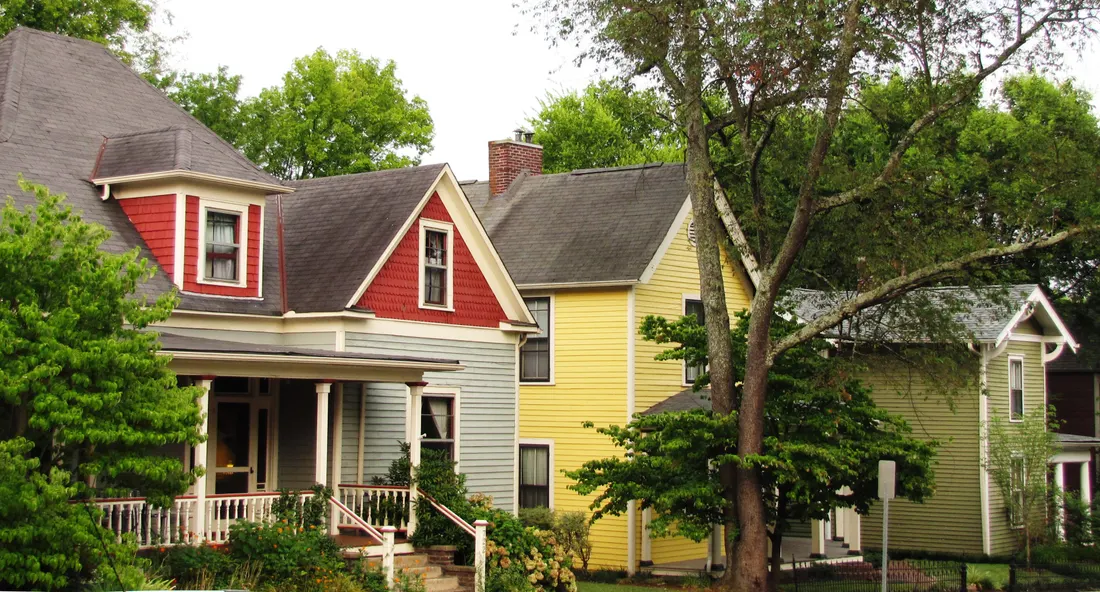
First, find out what “historic” means for your house
The Tennessee Historical Commission’s National Register FAQ explains that National Register listing alone does not prevent an owner from selling a property. It also distinguishes that recognition from local historic zoning, which can regulate exterior changes. Do not treat a National Register entry as a complete statement of your property’s restrictions.
Knoxville’s current zoning code, Article 8, has separate H Historic and NC Neighborhood Conservation overlay districts. Section 8.5.H requires a certificate of appropriateness for applications involving specified work in the H overlay, including alterations, repairs, rehabilitation and demolition, under Section 16.8. Some approvals may be delegated to staff. That is a work-review process; do not confuse it with a blanket prohibition on selling.
My first questions would be: What is the parcel number? Is it within the City of Knoxville? What overlay is shown? Are there recorded restrictions or easements? Have any notices been issued? Ask planning staff and your title professional to help resolve those questions. An attractive old house, a historic neighborhood name, and a legally designated parcel are not interchangeable descriptions.
Check the address, not just the neighborhood name
Fourth & Gill and Old North Knoxville are useful places to start this conversation, but a seller needs an address-specific answer. Knoxville-Knox County Planning’s historic preservation page provides district design guidelines, including those for Fourth & Gill and Old North Knoxville, along with application resources and staff contacts. Use the applicable district guidance, not another neighborhood’s rules.
When you contact staff, describe the actual question: “I am preparing to sell this address. These windows were replaced, this porch needs work, and these are the records I have. Which approvals or unresolved issues should I verify?” Photos and a short written scope are more useful than asking whether you can “fix up the house.” Keep the answer with your sale records.
I would separate that historic-property review from the broader decision about selling a house in Knoxville. Location matters, but so do condition, ownership, access and your timeline. A historic label should not become a substitute for evaluating the actual property.
Build a small, useful sale file
You do not need a glossy binder. I would make a digital folder with clearly named documents and a one-page summary of what is known, what is missing, and who can answer the remaining questions.
- Property identity: address, parcel number, current deed and any survey you already have. Ask the title professional about recorded easements or restrictions rather than assuming a zoning map shows everything.
- Work history: certificates of appropriateness, building permits, available inspection results, contractor invoices and dated photographs. Keep approval documents separate from estimates and applications.
- Open items: notices, incomplete projects, water entry, damaged features or unanswered questions. Label an uncertain date or condition as unknown instead of guessing.
- Scope and price: any written repair proposals, including the materials specified and assumptions about approvals. A bid for replacement is not the same thing as a bid to repair an existing feature.
- Practical handoff: occupancy, safe access, belongings that remain, and which records you will give the buyer. Do not send sensitive personal documents broadly to every inquiry.
Missing paperwork does not prove that work was unauthorized. It means there is a question to investigate. I would rather see an honest “record requested” note than a confident claim that cannot be supported. That distinction helps both sides decide what to inspect and what the contract needs to address.
Should you repair the house before selling?
I would not begin with a blanket “replace everything” estimate. Ask qualified contractors to separate urgent safety or weather-protection concerns from cosmetic choices, then confirm the approval path before authorizing work. A buyer may value an existing feature differently from the contractor who priced its replacement.
For example, imagine a porch needs attention before a sale. That is a hypothetical situation, not a past customer story. Ask what is damaged, what can be repaired, what materials the proposal assumes, and whether planning staff need to review the scope. Do not accept “new porch” as a complete explanation of either the work or the price.
Put the options on the same sheet: estimated sale proceeds, written work costs, financing costs if applicable, holding costs, and uncertainty about completion. Our guide to selling a Knoxville house that needs repairs helps organize that comparison. For a historic property, add a separate line for the approvals and materials the actual scope may require.
Do not start work simply because an online estimate predicts a higher selling price. Ask what evidence supports that price and what happens if the project costs more or the sale takes longer. You can obtain advice and compare offers before choosing a renovation budget.
Compare an as-is listing with a direct cash offer
An as-is sale and a cash sale are not the same thing. You can discuss listing the property in its present condition, or consider a direct offer without putting it on the open market. Either route needs clear written terms.
A listing may make sense if you can accommodate showings and want broader exposure to buyers who appreciate the house’s character. Ask the agent how they would explain the verified historic status, present the repair records, and price against relevant completed sales. Do not assume every older house nearby is a comparable sale.
A direct cash offer may be worth considering if you want to avoid managing repairs or repeated showings. The tradeoff can be a lower price, and the contract still matters. Ask about the inspection period, cancellation rights, earnest money, assignment, proof of funds and who pays each cost. A cash label by itself does not prove that closing will happen.
Use a cash-offer versus listing comparison to compare what you would keep and what you would still have to do. Give each buyer the same property information. If one offer assumes approved repairs and another assumes unresolved work, you are not comparing the same deal.
Keep disclosures and repair promises clear
Ask a Tennessee real estate attorney or qualified closing professional which disclosures and contract provisions apply to your sale. Do not describe work as approved unless you have support for that statement. An as-is agreement is not an invitation to hide a known problem.
For an older house, also check the federal lead disclosure requirements. The EPA explains the requirements for most housing built before 1978, including sharing known lead information and available records before contract signing, providing the required pamphlet and contract language, and allowing the buyer an inspection opportunity subject to the rule’s terms. Confirm the applicable requirements and any exemption for your transaction; do not assume an investor purchase skips them.
If a buyer wants you to complete work before closing, spell out the scope, approvals, payment responsibility and evidence of completion with professional help. If the buyer will take on work afterward, make that equally clear. Neither arrangement should rest on “we will figure it out later.”
What I would do before choosing a sale date
First, confirm the address-specific designation and gather the available records. Second, obtain enough condition and repair information to compare realistic options. Third, compare written offers and contract responsibilities—not just the largest number at the top of the page.
At Diamond Home Buyers, I welcome an inquiry even if your records are incomplete. Tell us what you know and what you still need to verify. I or our underwriting team can review the property information and discuss whether a direct purchase is an option. We cannot promise an offer, a closing date or approval of proposed work before that review. A clear next step is more useful than a rushed promise.
Questions about selling a historic Knoxville home
Does National Register listing stop me from selling?
No. The Tennessee Historical Commission says National Register listing does not prevent a sale. Local zoning, recorded restrictions and the property’s condition are separate matters to check.
Can I sell my historic house as is?
You can explore an as-is sale without agreeing to renovate first. Have a qualified professional review the contract and applicable disclosures. Selling as is does not erase local rules or unresolved property issues.
Should I replace old windows before listing?
Not automatically. Get an assessment of condition and repair options, and ask planning staff what review applies to the address and proposed work before authorizing replacement.
Does every house in a historic neighborhood have the same restrictions?
Do not assume that it does. Confirm the parcel’s designation, applicable district guidelines and any recorded restrictions. A neighborhood name alone is not enough.
How quickly can I sell a historic home in Knoxville?
There is no reliable universal timeline. Buyer funding, title work, inspections, agreed repairs and contract terms affect the schedule. Resolve the major unknowns before relying on a proposed closing date.
General seller information, not legal, tax, architectural or engineering advice. Rules and property circumstances can change; confirm your specific situation with the appropriate local staff and qualified professionals.